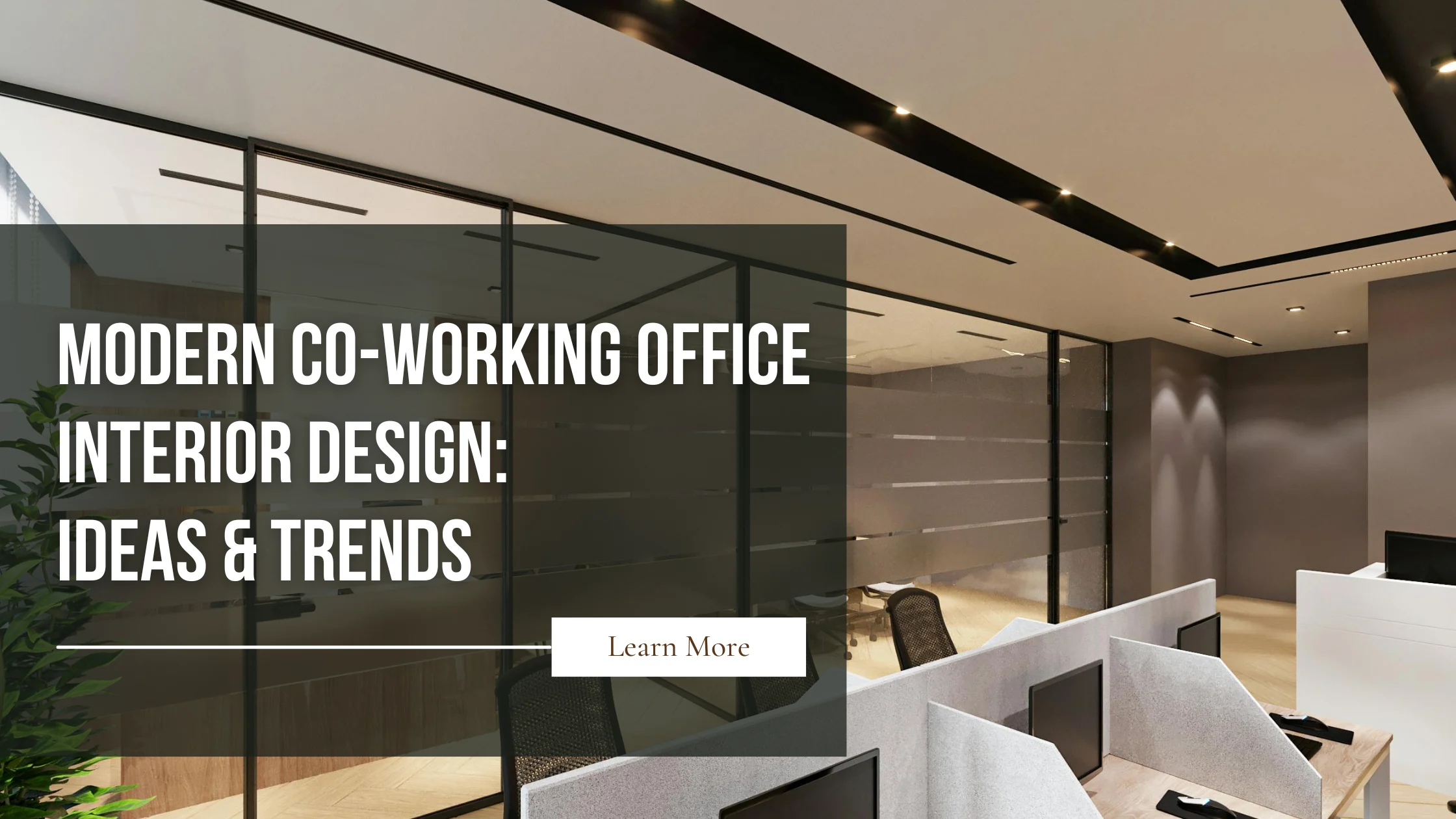
In today’s dynamic professional landscape, co-working spaces are no longer just shared offices — they are vibrant ecosystems that inspire productivity, collaboration, and community. A thoughtfully designed co-working interior can make the difference between a transactional workspace and a thriving creative hub.
In this blog, we dive deep into how interior design elevates co-working spaces, what trends are shaping modern work environments, and how smart design choices boost both comfort and business value.
What Is Co-Working Office Interior Design?
Co-working office interior design refers to the strategic planning and execution of layouts, furniture, lighting, materials, and technology to create a flexible and functional shared workplace. Unlike traditional office design, co-working interiors cater to diverse users — freelancers, startups, remote teams, and enterprises — with varied work styles and needs.
This specialized design approach focuses on:
Maximizing usability
Balancing collaboration and privacy
Encouraging community and productivity
Reflecting brand identity and culture
Key Elements of Effective Co-Working Interior Design
1. Flexible and Modular Layouts
Flexibility is key in co-working environments. Designers use modular furniture and movable partitions to create spaces that adapt to changing needs — from solo workstations to large collaborative zones.
2. Smart Zoning for Diverse Work Styles
A successful co-working interior incorporates distinct zones:
Quiet areas for deep focus
Open desks for collaboration
Lounge areas for informal meetings
Conference rooms for formal discussions
This zoning strategy enhances productivity while maintaining a comfortable flow.
3. Natural Light and Biophilic Design
Natural light not only amplifies the aesthetic appeal but also improves energy and mood. Adding indoor plants and natural materials like wood and stone invites nature inside, creating a healthier, more inspiring environment.
4. Thoughtful Color and Texture Choices
Colors have a psychological impact:
Blues and greens promote calm and focus
Yellows and oranges stimulate creativity
Using a balanced palette and textured elements can guide emotional responses and enhance the workspace vibe.
5. Acoustic Comfort and Privacy
Noise can make or break a co-working experience. Incorporating sound-absorbing materials, acoustic panels, and zoned layouts ensures a balance between collaboration and concentration.
6. Technology Integration
Modern workspaces depend on seamless technology. High-speed internet, abundant power outlets, smart meeting rooms, and app-based space booking systems bring convenience and efficiency to coworkers.
Trends Shaping Co-Working Interiors in 2025–2026
Design is ever-evolving. Current trends include:
Wellness-focused zones like meditation pods and ergonomic seating
Sustainable materials and eco-friendly finishes
Smart building solutions such as IoT climate control
Community-centric designs that encourage networking and events
These features not only improve user experience but also position co-working spaces as desirable workplaces with long-term appeal.
Common Mistakes to Avoid
While planning your co-working interior, avoid these pitfalls:
Overcrowding spaces to maximize seat count
Ignoring privacy and noise management
Poor lighting and ventilation plans
Lack of brand identity in design choices
A strategic design approach prevents these issues and ensures long-term success.
Commercial buildings often pursue green certifications, while residential homes increasingly adopt sustainable living solutions.
Design That Drives Success
Co-working office interior design is more than furnishing a space — it’s about crafting an environment that supports productivity, community, and comfort. From flexible layouts and ergonomic furniture to biophilic elements and smart tech, every detail contributes to a workspace that professionals love.
A thoughtful interior isn’t just beautiful — it’s functional, future-ready, and built to inspire.